


Brand Activation Strategy
Before you begin arranging various brand activation events, it is critical to understand the aim of each campaign. Identifying your goals is the greatest method of creating a strategy—customer acquisition, user sign-ups, social media engagement, and so on. Ultimately, you’ll want to raise brand recognition; but, defining your aim will make it more measurable and feasible (hello SMART goals).
Once you’ve determined your objectives, you may start thinking about possible brand activation events or campaigns that can help you reach them. Assume your aim is to increase user sign-ups. Going to an expo might be one way to achieve that aim.
There, you may speak with potential clients and, ideally, sign up consumers on the spot (depending on your offerings).
Once you have a list of ideas, targets, and KPIs, you can start working on your brand activation strategy. You should choose one campaign or event to pursue, organize the logistics of that event, and apply your brand playbook (with a clear vision, value propositions for key targets, brand personality, character, voice, and experiences). Keep in mind that brand activations do not have to be events, but may also be sample campaigns, social media competitions, or other forms of digital marketing.
Let’s go through some suggestions to help you create your own brand activation strategy.
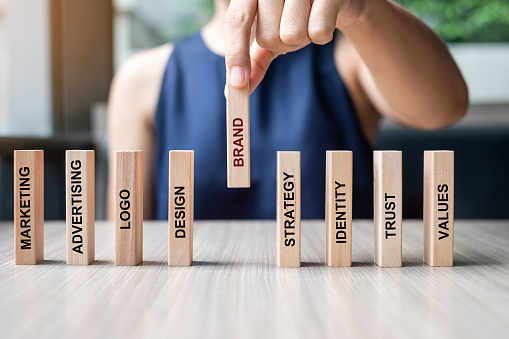
Where Can I Find A Brand Activation Plan?
Insights are only as good as the ideas they generate, the decisions they influence, and the momentum they generate. A brand activation strategy is a crucial tool that will allow you to start turning those insights into commercial reality. When done correctly, it allows your business to generate customer action and engagement through brand experiences.
If you’re planning to launch a new product, service, line of business, or positioning strategy, it’s time to start thinking about a brand activation strategy. And if you’re not sure where to begin, we’ve got you covered. Here’s how some of the world’s most well-known and beloved businesses do it.
What is the purpose of brand activation?
We’re not sure who to thank for a powerful but anonymous Medium.com blog piece, but the writer nailed the suspicious mentality of today’s customers. They are skeptical about promises. We’re sick of one-of-a-kind deals. They’re tired of being disappointed when yet another marketing initiative fails.
Consumers want to live in a world where brand success is linked to trust. Doesn’t that seem trite? It isn’t, especially in today’s hyper-connected corporate world, when demand expands rapidly like wild rabbits. When a brand is trusted, customers may tell that the people behind it are more concerned with value and delighting brand enthusiasts than with creative excellence.
How do you create loyalty? Ah, there’s the hard part. Make good on your commitments. It’s the only way to establish that trusting relationship, and if it’s strong enough, rivals won’t be able to penetrate it since past great behaviors will have already established that trust.
6 Different Types of Brand Activation
If you excel at all six, you will fulfill your aim of serving clients excellently. Is one more significant than the other? That is determined by the market, industry, customer expectations, and your ability to communicate the significance of each.
1) Experiential marketing
When it comes to the function of experiential marketing, Mercedita Roxas-Murray, CEO of Montage Marketing Group, doesn’t hold back. Experiential marketing was often known as “the red-headed stepchild of the marketing industry,” and while the word has been around for several decades, it didn’t bloom until the Age of the Customer arrived.
Experiential marketing is all about true branded interaction rather than using attention-getting gimmicks that merely engage a target audience for a short period of time. This marketing niche, on the other hand, is all on applying three rather easy dynamics:
1) Understand your consumer;
2) understand your brand
3) create a mutually advantageous touchpoint. It’s not simple when the average attention span of today’s customer is eight seconds!
Strategies for Brand Activation
Now comes the exciting part! The precise activation techniques that your brand may employ are determined by a variety of circumstances, including the scope of your objectives, available resources, industry/category, and so on. Having said that, we’ve seen the tactics listed below assist firms of all sizes. When your teams meet for their first breakout session, have them begin their discussions with the following list.
Strategy For Communications
Create innovative campaigns based on your new brand strategy research. You now have in-depth knowledge about your target audience; put it to good use! Do your customers genuinely appreciate or dislike anything in your category? Investigate that concept to provoke an emotional reaction.
Make use of various forms of media to reach your target customers and tell your brand’s story from many perspectives. The aim is to develop a communications plan that defines how your brand can distinguish itself and drive conversion across paid, earned, owned, and shared media.
3. Digital Marketing Campaigns
No rational marketer would step into the unknown without a strategy. If you’re already good at drafting marketing strategies, it’s time to move the needle online. The following components are required to do this:
- A thorough market study that is both practical and imaginative.
- Clear goal(s), such as increasing customer retention or lowering client acquisition costs.
- Deconstruction of objectives in order to express each one in digital terms.
- Implementation of strategies that achieve your digital objectives.
- Defining important key performance indicators (KPI) (KPI).
- Intelligent audience segmentation to uncover emotional, lifestyle, and informational aspects.
- Create a clear value offer based on data and use it as a foundation for identifying digital behaviors.
4) In-store promotions
Setting goals, assessing foot traffic, shop capacity, and other store promotions that may conflict with your effort are all part of the in-store event planning process. You’ll work with store management to get this event started. Next, you’ll need a logistical plan; where will you set up shop?
How will you get your samples to that location, and do you have a backup plan in place to deal with any liability or risk management concerns that may emerge while representing your brand? What could possibly go wrong? A candy sample lodged in a customer’s throat or a trip and tumble caused by the unit used to retain your samples.
Increase your publicity efforts by providing incentives, such as a discount or incorporating a sense of urgency (e.g., while supplies last!). Make your messaging clear, have fun, and always follow through on information requests that, if not acted on, might harm the brand reputation you’ve worked so hard to develop.

5. Participation in The Community
Community involvement is an excellent approach to initiating discourse, getting customer input, and allowing consumers to communicate with others who share their interests. Use your research to establish what types of community places and activities your clients are interested in, then discuss the best methods to become involved. Your objective is to establish relationships – both with customers and with your brand.
6. Brand Activation Strategy
With a few techniques in mind, it’s time to get serious about activation planning. That includes ensuring that the teams on the front lines of your new brand strategy – marketing, public relations, customer support, UX, and so on — understand their duties. Hold consultative breakout meetings to explore new initiatives, programs, messaging strategies, development, and execution. Give them the tools they need to make their ideas a reality. Your objective is to empower teams so that they can operate independently to advance the brand.
However, these first breakouts will not suffice; develop responsibility through periodic check-ins. Schedule follow-up sessions every three or four weeks to ensure development is on track.
7. Promotions
When the Forbes Communication Council produced a concise guide to brand promotion suggestions, they got it right by describing the ultimate purpose as developing a relationship with clients that prioritizes narrative. Panelists on this “invitation-only” council share helpful recommendations that are not hard to put into practice.
- Use colors, typefaces, and messaging that reflect the brand’s values and sentiments to ensure brand consistency.
- Customers will not trust you if you do not demonstrate that you care.
- When you connect your firm to anything noteworthy, your brand is more likely to stand noticed.
- Nothing connects with consumers more than a tale capable of imprinting a brand on the mind.
- Marketers should identify major concerns that customers face and utilize that information to advance their brand.
- Promote social good, and your brand will appear to be a hero.
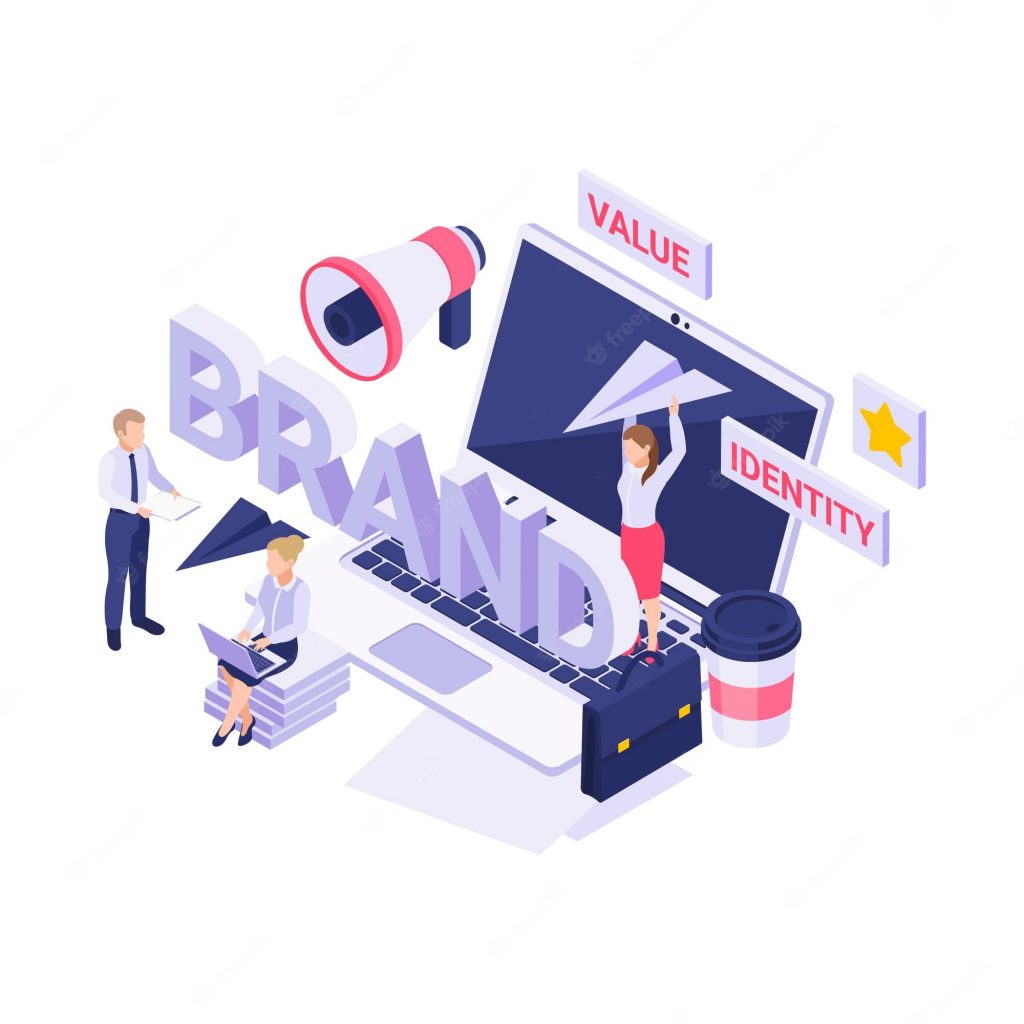
6 Ways to Assess the Success of Brand Activation
While brand experts argue on the number of ways to assess brand activation, there are six you can take to the bank to ensure you did everything (or almost everything) properly while designing and executing your brand activation campaign:
a) Customer acquisition:
A rise in revenues and sales statistics as a result of your brand activation activities is an indication that you accomplished something well.
b) Social media engagement:
Shared material on social media is a significant driver, especially if you’ve come up with a humorous, memorable, or absurd hashtag.
c) Product sampling increases sales:
According to Arbitron and Edison, 35% of individuals who try a product will buy it. Thus, an increase in product sales is a wonderful approach to see if your campaign was successful.
d) Metrics:
Metrics gathered as a consequence of crowd intelligence technology that follows targets in real-time utilizing location software are priceless. If you lack the necessary skills, use a business like Crowd Connected to handle the heavy job for you.
e) Consumer interaction in real-time:
It’s the simplest approach to finding out how people reacted to your brand activation campaign. You’ve done your job if you’ve inspired, enthused, and engaged your target audience. Bravo. Use what you’ve learned to improve your next campaign!
f) Data capture:
How will you ascertain and quantify the data you acquire so that it may be analyzed and mined in the future?
How to Run a Brand Activation Campaign – Easy and Simple Steps
Determine event goals, such as enhancing brand recognition, recruiting new consumers, or creating an online brand presence, as the first stage in establishing a brand activation strategy. Goals should be attainable and appropriate for the size and operations of the organization. The company should set aside funds for event logistics, hosting, and sample campaigns based on its brand activation objectives.
Online and offline sample programs, for example, have the benefit of being quantifiable, allowing new and creative firms to measure their ROI. They also produce consumer feedback and boost the engagement of social media users with a specific brand or sponsored content. To expand their impact and get new consumers, well-known and new innovative brand activations use a mix of online and offline marketing efforts.
1- Creating a Goal
Brand activation events take place for a cause, such as the inauguration of a local branch/store or the release of a new product or series of items that affect their aims. Brand activation is used by new brands to activate their businesses and offer their products or services. Brand activation initiatives are also used by established businesses to raise brand recognition or entirely restructure their brand image.
2- Make a budget for brand activation.
Well-known worldwide brand activation campaigns are not difficult to organize if your new brand has the budget to compete with million-dollar established enterprises, such as bringing celebrities and influencers to your brand activation event. It works well, but it necessitates a significant budget, which isn’t always accessible for brand activation.
3. Determine Your Target Audience
The target audience’s personality plays a significant part in selecting the correct content to go viral on social media. Every company has a distinct consumer base, which is targeted via brand activation through new campaigns and concepts. Without a thorough grasp of end consumers’ challenges and needs, businesses will struggle to capture their attention, which is the fundamental purpose of any brand activation.
In order to have long-term loyal consumers, brand activation attempts to develop a personal relationship with each client, which necessitates a precise description of the target demographic. Some new brands use the experiences of existing brands in their brand activation to demonstrate and convey their values.
4. Make Use of Online Resources
In most situations, brand activation is a multi-touch combination of digital and local branding and marketing methods in which businesses aim to boost their impact by offering memorable experiences. In brand activation efforts, we often leverage the Internet and social media networks to raise brand awareness or engage the brand’s online presence.
Final Thoughts
To guarantee that your brand activation campaign is a success, take the time to properly organize each stage of the process. You should be able to create an engaging and exciting experience for your consumers that will assist market your product or service by following best practices in brand activation methods.


