


Powerful Social Media Tools
If you own a business, you probably spend a lot of time researching the most recent social media marketing strategies. With good cause. There are currently 4.2 billion active social media users, nearly double the number only five years ago. Every day, these individuals spend an average of 2 hours and 25 minutes on social media.
Those approximately 2.5 hours present a fantastic chance for firms to:
– Increase business visibility, cultivate consumer connections, and even make sales directly through social media channels.

Here are all of the social media marketing tips you’ll need in 2022!
What are the benefits of social media for small businesses?
The most significant advantage of adopting social media is that it is a low-cost technique for increasing brand exposure. While you will need to invest time and resources in developing your content, you can make high-quality content with a dependable phone and a few tools.
Furthermore, you may reach your intended demographic through social media for a fraction of the cost of focused advertisements. For example, you may spend $100 creating creative materials for a video that ends up attracting 100,000 people. To reach those same consumers with an ad, you will most likely need to pay far more money.
Furthermore, social media allows you to:
- Increase website traffic and lead generation.
- Market goods and services.
- Create a community.
- Engage and grow from your target audience.
When it comes down to it, how you use social media as a small business isn’t all that different from how you’d use it as a medium to large-sized firm. You’re sharing, interacting, monitoring, and optimizing in both scenarios. The essential distinction is that a tiny firm is likely to prioritize expansion, but an established brand may prefer growth.
Small Business Social Media Tips and Tricks
1. Begin with a strategy.
It’s simple to get started utilizing social media for the company. We all use social media in our daily lives, therefore we’re all familiar with the tools. It costs nothing to launch a Facebook Page for your business, post on Instagram, or establish a presence on Twitter.
But, before you get in headfirst, keep in mind that any strong business strategy begins with a good plan. Yes, social media tools are available for free. However, the time and effort required to reflect an investment in your company.
You have no clear aim for what you’re attempting to do if you don’t have a plan. That means you have no way of knowing if you’re getting a return on your investment. Make a social media strategy ahead of time. This guarantees that all of your social actions complement specified commercial objectives.
From our guide on developing a social media marketing plan, here are some strategic social media tips.
2. Maintain consistency.
When it comes to social media, the greatest thing you can do as a small business is to remain consistent. Brands are typically disheartened if they do not see results within a few weeks. The fact is that social media development might be gradual, but as with other things, consistency produces results. This entails regularly publishing high-quality material (at least once a week). You do this for a variety of reasons.
The first is that you want a user to have a clear understanding of your brand when they come on your profile. Users will rapidly lose interest and depart if you have little to no content. The same may be said for dispersed posts.
Social media allows you to tell your story. Users will know what to anticipate from your website, your message, and what you provide if you value consistency and cohesion. That is how you will attract your intended audience.
3. Establish social media objectives and goals.
Make objectives that adhere to the SMART framework. They must be explicit, quantifiable, reachable, timely, and relevant. Set goals based on indicators that will have a genuine impact on your company. Rather than merely collecting likes, you may seek to gain clients or increase your conversion rate.

4. Change your content often
There is so much space for creativity and experimentation on social media. Too frequently, businesses identify a winning strategy and stick with it. While the adage “If it ain’t broke, don’t change it” has a lot of truth, social media is continuously changing. What worked yesterday might not work today as these platforms add new features and user behavior shifts.
With this in mind, experiment with different content forms whenever feasible. On TikTok, for example, you can only publish videos. On Facebook, though, you have the option of going live, publishing photographs, polling, and more.
Here are several formats to consider:
- Photos\Videos\Illustrations
- Stop-motion
- Streaming live
- Polls
There truly is no limit when it comes to posting content.
According to our social media analysis, small companies benefit the most from generating instructional and accessible content. Mid-sized and big organizations, on the other hand, report higher outcomes when they use humorous and engaging material.
5. Investigate the competition
What social media platforms are your rivals using? While you don’t want to imitate them, learning from their mistakes is a terrific approach to shorten your learning curve. A competitive study might assist you to discover what works and what doesn’t for similar organizations to yours.
6. Perform a social media audit
If you’re currently utilizing social media, now is the moment to stand back and assess your current efforts.
7. Prioritize quality over quantity.
This is true not only for the material you share but also for the platforms you use. While it is recommended that you post often on social media, there is one caveat. Everything you submit should be useful.
8. Look for trends online
This is another piece of content and platform-related advice.
According to our findings, many small businesses are experimenting for the first time with live audio chat rooms and short-form films, two of the largest trends of the previous two years. Yes, experimenting with a new platform takes far more effort than experimenting with a new format or type of material.

9. Get some inspiration online
You’ve examined what your competitors are doing online, but what about other companies? Take a cue from the success of firms across all industries. Where can you discover success stories like these? You may discover interesting case studies in the business area of most social network platforms.
Because we constantly include plenty of examples, our site may also be a terrific source of inspiration. Also, keep an eye on what your favorite businesses are doing. What motivates you to click, follow, or buy.
10. Make a social media calendar.
A social media calendar assists you in posting the appropriate material to the appropriate social networks at the appropriate time. It should provide a strategy for your content mix. Begin by applying the 80-20 rule. 80% of your content should be used to inform, educate, or entertain your audience. Use the remaining 20% for marketing your business or selling your items.
11. Determine which platforms are appropriate for you.
Make no assumptions about where your target audience spends their internet time. If you’re trying to reach Generation Z, your instincts may tell you to avoid Facebook in favor of Instagram and TikTok. However, stats reveal that roughly a quarter of Facebook users are between 18 and 24.
Perhaps you believe TikTok marketing is not a good fit for your company. However, even well-known businesses with audiences well beyond Generation Z are experimenting with this platform. Remember that TikTok alone achieved 56 million new app downloads in December 2020.
12. Understand your target market.
One of the benefits of using social media for the company is that you can micro-target your audience. But first, you must determine who your target audience is. Begin by gathering information about your present consumers. Then, using social media analytics, delve further. You’ll quickly learn who is buying from you and connecting with you online.
After you’ve established your target, you may construct buyer personas to assist you to identify the best methods to communicate with them.
13. Broaden your audience
You may reassess your social media strategy once you’ve determined who your target audience is. It’s time to think about how to reach out to more folks like them. For example, when lockdown measures meant that more individuals were seeking ways to pass the time at home, The Great Courses Plus changed its Facebook advertising approach to swiftly boost its audience.
They developed a lengthy free trial offer and publicized it widely in the United States. They then employed lookalike audiences to target new audiences in Canada, the United Kingdom, and Australia who matched their best existing consumers.
14. Create Connections.
The distinct advantage of social media marketing for small businesses is the ability to communicate directly with clients and followers. Rather than asking for a sale right once, you may create connections over time.
Discovering who you are as a brand and what you stand for is a part of that process. When visitors interact with your organic content or adverts, it’s a good idea to respond. This contributes to the formation of trust and a devoted following. As your fans share and like your material, you will rise in the social algorithms and receive free visibility.
Relationship building may also help you develop a devoted community, which will lead to continued purchases over time. While new client acquisition is important, don’t underestimate the importance of customer retention.
15. Change up your formats.
Change up your social post formats on a regular basis. If you often submit GIFs, try a JPG instead. Try a video instead of a still photograph if you generally submit still images. Make use of all the forms available on each social network, such as Stories, Reels, and Live videos. For one thing, it teaches you which formats work best for different sorts of material (more on that later) and different social networks.
16. Use the proper tools.
The key to properly using social media is to use tools that simplify or minimize most of the effort. There are several solutions available to assist you in increasing your productivity. That is, you may begin using social media for the company without a full-fledged social media staff.
17. To make more time for involvement, use scheduling and automation.
We discussed developing a social content calendar at the beginning of this post. Once you’ve created that calendar, you can schedule your social posts using apps like Hootsuite/ Later.com/ Linkin.bio to post them automatically at the appropriate times.
Amazing Small Business Social Media Tools To Use Effectively
1. Analytics using Google Analytics
When asked which tools they use to track social media data, 75% of small firms said Google Analytics. You may use the platform to monitor the influence of your social media profiles on your traffic, specifically:
- How many of your visits come from social media?
- How long are their sessions?
- Which landing pages are most frequently shared on social media?
- Conversion rates on social media versus other routes
- Which social marketing is driving traffic and converting customers?
- The program is available in both free and premium editions; the free version includes so many capabilities that upgrading is unnecessary for a small business.

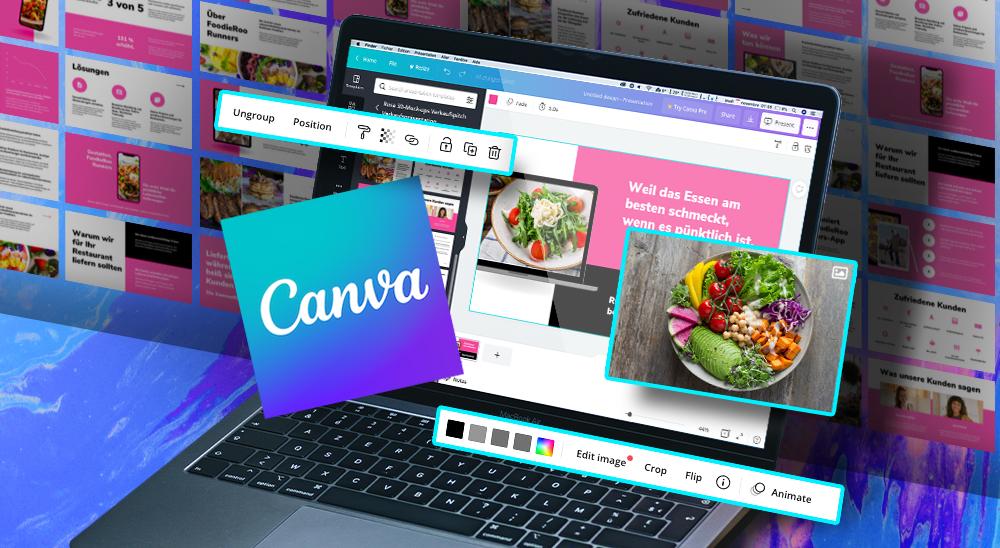
2. Canva is a Great Tool for Graphic Design.
Do you lack the funds to engage a graphic designer? Don’t worry, Canva is here to help. This graphic design website provides thousands of free social media themes to help you create a consistent visual identity. You may also get free stock pictures and movies for business and non-commercial usage.
Canva is fantastic for producing branded templates, but avoid using it for logos because you may struggle to find distinctive designs.
3. Asana for Content Management
Asana is a project management app that simplifies social media planning.
You may do the following with the free version:
- It is compatible with over 100 products, including Slack, Google Calendar, Adobe, Canva, and MailChimp.
- Create an infinite number of projects and tasks.
- Tag social platforms, material, and other items to make sorting easier.
- Allow for up to 15 participants to collaborate.
4. Trello
Any project management platform may be made to operate. Asana is preferred by some. Whatever program you want, create a framework for collaborating on media material and pushing campaigns forward. The more material your team creates, the more expertise you can exhibit and the more trust you can acquire as a brand.
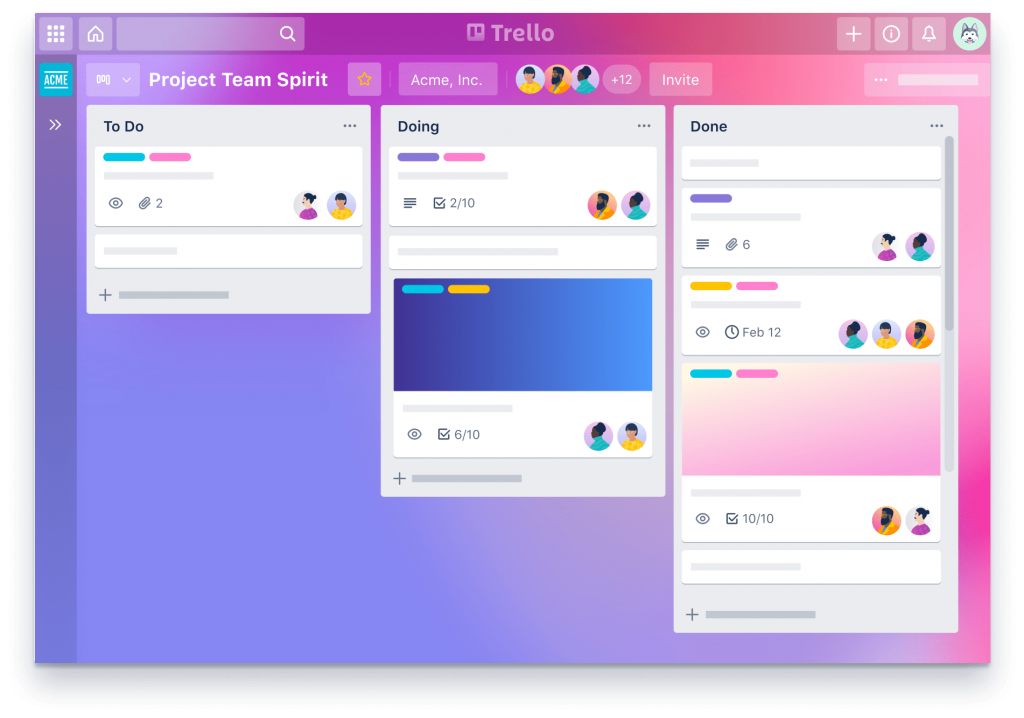
Trello may be used to plan and monitor one to two weeks’ worth of content. The visual dashboard not only helps us visualize what needs to be done, but it also drives us to move items from To-Do to Published/Done as soon as feasible. Trello also helps the marketing team to interact with the engineering teams without adding another tool to their to-do list.
5. Later.com
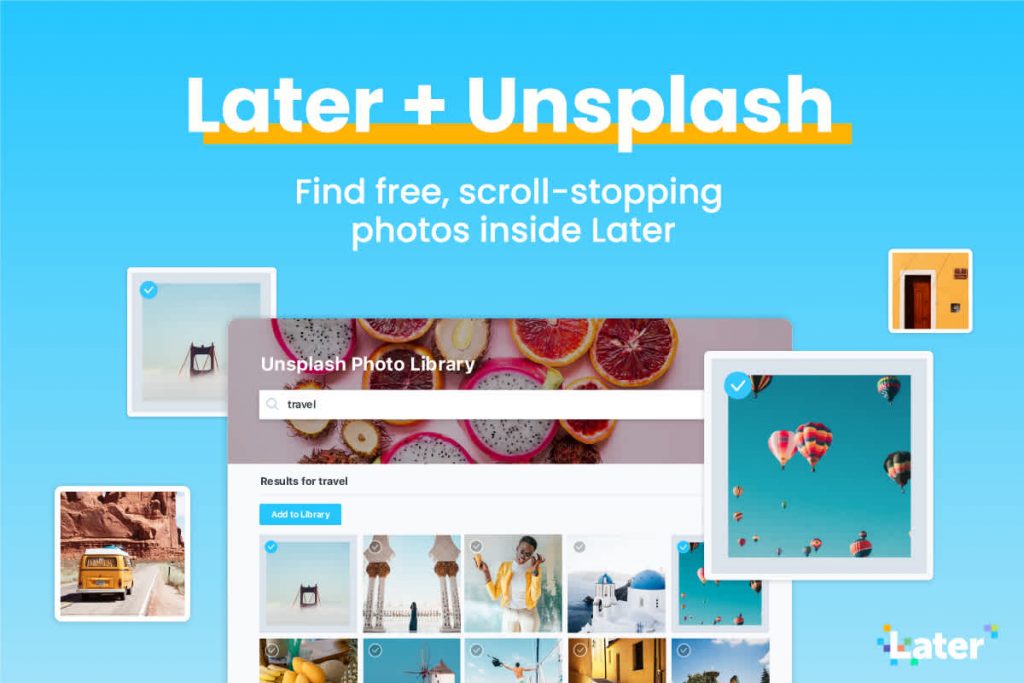
Later is a one-stop social marketing tool for the most popular social networks. Plan, evaluate, and publish your content with just a few clicks, saving you time and helping your business thrive.
Can you upload the Reels on Later? Yup! Reels may be visually planned and scheduled to auto-publish anytime you desire. Use the Conversations feature to moderate and respond to comments, and obtain full Reels Analytics to optimize all of your articles.
Schedule posts to auto-publish ahead of time to save time and really put your phone aside. Instagram feed postings (single pictures, videos, and carousels) as well as TikTok, Facebook, Twitter, Pinterest, and LinkedIn posts may be auto-published.
6. Linkin. Bio
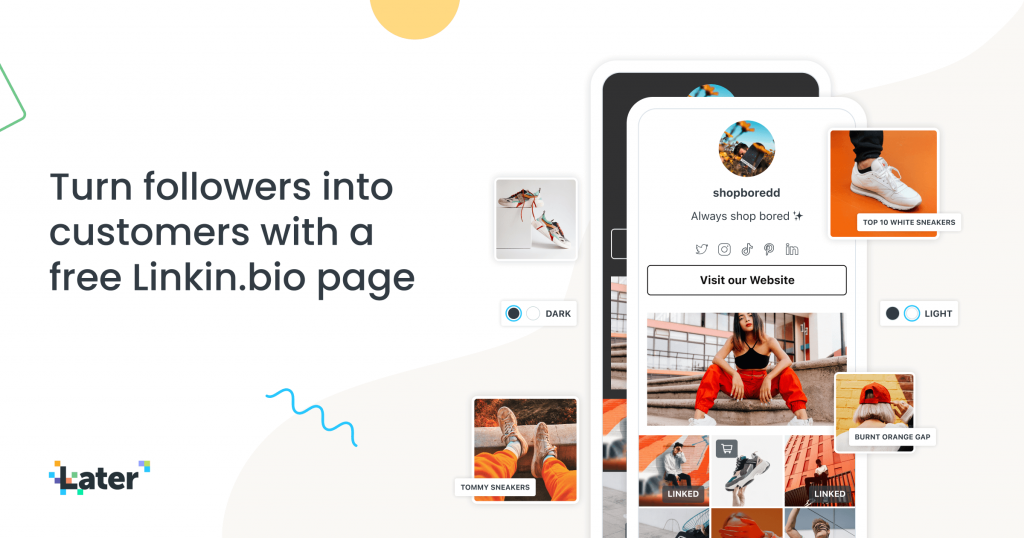
Linkin. bio is a web and mobile-optimized landing page that looks like your Instagram feed, with photos linking to particular URLs. If you own a business, you may include a link to a specific product in your Instagram post. People who click the link in your bio will be able to explore all of your items and shop your feed! Alternatively, if you want to boost traffic from Instagram, you may include direct links to your blog articles rather than a generic blog link, making it simpler for your followers to access the material they want to see more of.
Linktree has a vast user base and is a reliable platform for storing all of your links in one location for displaying on your social networking sites. With the ability to have audio links, video connections, and a limitless link limit, it is unquestionably superior to the Linktree counterpart, Linkin. bio.
7. Loomly
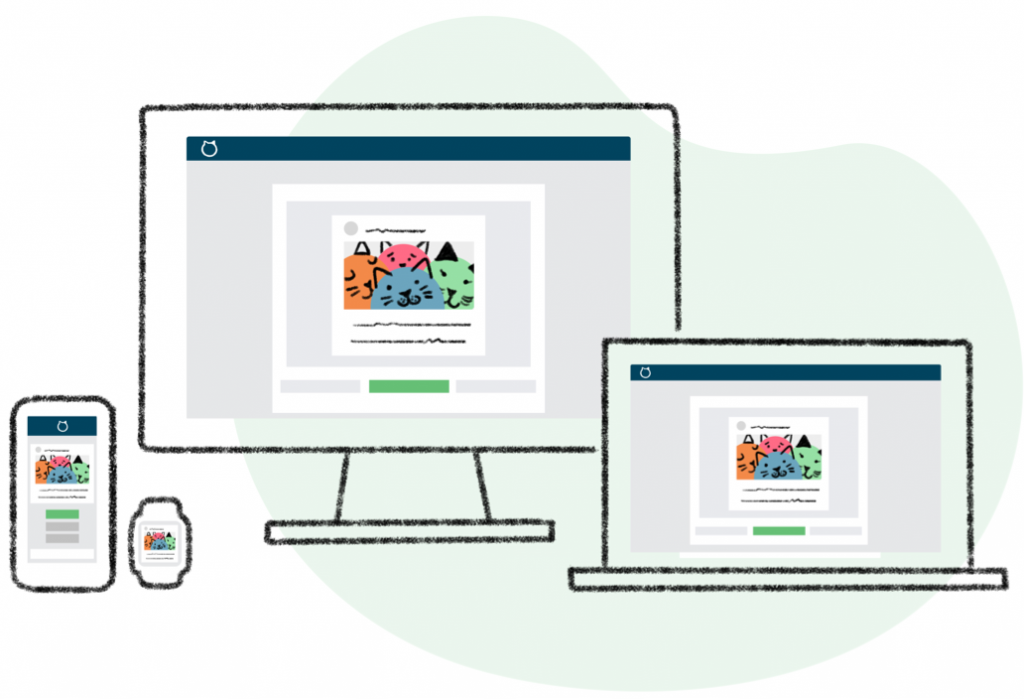
Loomly is a straightforward social media calendar program that assists social media administrators with post creation and scheduling. It is used by companies, agencies, and freelancers that want to optimize their internal process for writing and posting social media posts. Users have access to tools that allow them to optimize their postings, allowing their reach to expand across a larger audience range.
This also enables them to assess the effectiveness of their posts, tweets, and status updates. Furthermore, Loomly guarantees that team leaders are always informed of their members’ activities. This is feasible because the program records all changes and updates and sends alerts to managers via push notifications and emails. Loomly is a straightforward social media calendar program that assists social media administrators with post creation and scheduling. It is used by companies, agencies, and freelancers that want to optimize their internal process for writing and posting social media posts.
8. Hootsuite
Hootsuite is wonderful for scheduling social media updates and is especially useful if you manage many social media accounts for your business. They’ve helped us become lot more efficient, and our entire firm is better off as a result.
Hootsuite can help you save time on social media marketing. Instead of entering into each network and publishing to each one individually, you can manage Facebook, Instagram, YouTube, LinkedIn, Twitter, and Pinterest from one location.
9. Tweet Lists
If you’re anything like me, you have individuals you go to for great material and inspiration rather than newspapers. There are some folks I can rely on to contribute high-quality media items, whether original or curated, on a variety of themes. That’s why I’ve organized these folks into Twitter lists based on my many interests, which range from “CX” for customer experience to content to musicians.
-
Tweet Deck
TweetDeck makes it easier to use Twitter by displaying numerous timelines in a single interface. It provides a slew of sophisticated features to help you get the most out of Twitter, such as the ability to manage multiple Twitter accounts, schedule Tweets for future publishing, create Tweet collections, and more.
Conclusion
You may plan your content for the month and set tasks to measure your success with all of these capabilities. This simplifies scheduling and provides others with a clear idea of your goals. Growing your small business’s social media presence is an exciting moment. Use these resources to get you started, and remember that slow and steady wins the race.
Not sure where to start? Contact us now and we will be at your service!


