

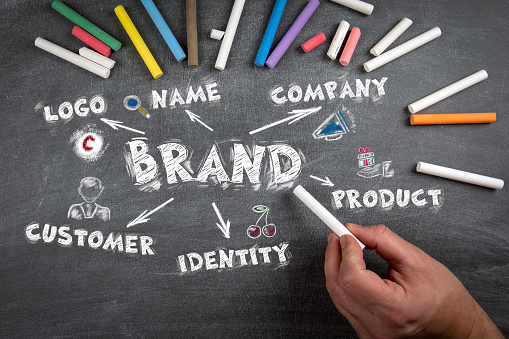
Brand Awareness
We don’t need to inform you that raising brand recognition is a difficult task. After all, 89% of marketers say brand recognition is their top priority. But here’s something you might not know: there are several doable tactics you can use to raise your brand awareness.
These methods have not only been tried and proven by businesses all around the world, but they are also surprisingly simple to apply. Continue reading to uncover our top six techniques for achieving your brand awareness objectives.
Have you ever heard of someone referring to themselves as “Apple people,” “Nike people,” or “Timberland people”?
This is what brand awareness can accomplish for a business: it can embed itself into lifestyle habits and purchasing patterns such that they don’t have to think twice before being a client – over and again.
This article will assist you in better understanding brand awareness, establishing it among your target audience, and developing strategies that will allow it to grow and alter in tandem with your business. Let’s get started.
What is Brand Awareness?
The degree to which a brand is recognized by targeted users and appropriately linked with a certain product or service is referred to as brand awareness. A small business’s level of brand recognition may not reach eponym status (e.g., asking for a Kleenex instead of tissue), but simpler versions are considered successful. This might imply:
Consumers who are aware of your company’s reputation. When social media user comes across your ad in their feed, they already know it’s going to be hilarious. Customers choose your brand above others, even if there are affordable options. Users using your company’s name or other branded phrases via search engines.

How Does Brand Awareness Work?
Products and services with a high level of brand recognition are more likely to generate sales. When faced with an option, consumers are just more inclined to purchase a well-known brand than an unknown one.
Take a look at the soft drink business. Many soft drinks are unidentifiable when removed from their packaging. Coca-Cola and Pepsi, two industry titans, rely on brand recognition to make their products the one’s people seek out. These firms have used advertising and marketing techniques that have boosted brand recognition among customers, which has directly translated into better sales throughout the years.
The Importance of Brand Awareness
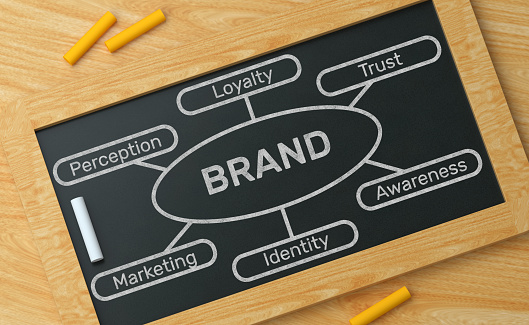
Brand awareness is critical since it is the first stage in the marketing funnel and lays the groundwork for eventually acquiring consumers. People’s capacity to recall and recognize your company is referred to as brand awareness. There are various reasons why building and increasing brand awareness is vital.
To begin, brand awareness keeps your brand at the forefront of your audience’s minds. People might feel acquainted and familiar with your brand if they are aware of it. When confronted with the choice of buying from you versus your competition, consumers are more inclined to choose you.
The more your target audience is familiar with your brand, the easier it will be to:
– Distribute your company’s message through various means.
– Introduce new items or services successfully.
– Establish a solid business reputation.
– Attract and keep loyal consumers.
However, merely owning a brand is insufficient. It’s critical to keep establishing that brand and reinforcing its connotations in the minds of your target audience. The more people are acquainted with something, the more they trust it and gravitate toward it.
Now, let’s dive into 10 easy ways you can use digital marketing to improve your brand awareness.
10 Ways to Increase Brand Awareness
1. Create free content.
Creating content is now easier than ever… This is a wonderful thing because today’s customers resort to the internet for any and all queries, concerns, and do-it-yourself tasks.
Content is a fun approach to building brand recognition since it is the simplest way to display personality and offer thoughts and positions on problems — two critical elements that personify and humanize your business.
Also, content does not have to be in written form. You can also make films, infographics, podcasts (which we’ll go over later), and other media. Sure, written material such as blogs and downloadable instructions are perhaps the simplest, but they are far from the only choice.

2. Harness the Power of Content Marketing
Content marketing is more than simply keyword rankings and backlinks; it’s also a fantastic opportunity to convey a narrative. And if you can communicate your story well, it will not only engage with your target audience but will also improve brand recognition.
While other marketing strategies, such as paid advertisements, can inform people who your brand is and what you’re offering, content marketing can highlight what your brand stands for and the attributes that distinguish it.
One approach to accomplish this is to tell your experience online. People should know how your brand got started, what you believe in, what your brand values are, and how you’ve achieved thus far.

3. Create easily shared infographics
On social media, shares are critical for reaching new audiences. They ensure that your material is noticed by people other than your followers, and they increase organic reach in the aftermath of annoying algorithm updates. This is especially true on Facebook, where the algorithm prefers shares from friends and family over brand postings.
The infographic is one of the most shareable information types available. They’re more aesthetically appealing, easier to absorb, and more enjoyable to read than a standard article. Keep in mind that the brain absorbs graphics 60,000 times quicker than plain text and that 94% of blog articles containing visuals receive greater interaction.
4. Influencer Marketing
Every social media network has influencers that generate content based on their own interests and hobbies. Food, fashion, vehicles, gadgets, and a variety of other interests are all possible. You may use this as a strategy to boost brand recognition by discovering industry influencers to promote your business. It is critical to choose influencers whose common interests align with those of your organization.
This enables you to use their network to reach a huge audience that is likely to be interested in your products or services. This technique is especially effective for businesses aiming at a younger demographic since the 18-29 age group is the most active on social media and is the most likely to be affected by online content providers.
5. Content Promotion
Increase the amount of material you post on your social media sites, and make sure it’s high-quality and relevant to your consumers. Consumers who appreciate your postings are more inclined to share them with others, bringing additional prospective customers to your page. Furthermore, greater involvement through likes, shares, mentions and comments will raise brand recognition.

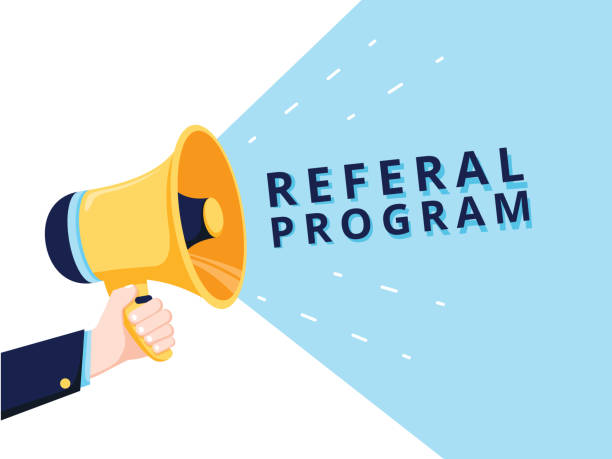
6. Develop Referral Programs
Referrals provide current consumers a reason to recommend your products or services to their friends and family. This method may be utilized to transform your existing customers’ network into a customer base. This is a quick and low-cost strategy to raise brand recognition and generate sales.
7. Create extra video content
Video marketing is an excellent method for capturing the interest of the audience. With social networks such as Facebook and YouTube battling for video views, their algorithms encourage the video format. Users will be provided great video material, and their increased involvement will assist enhance brand recognition.
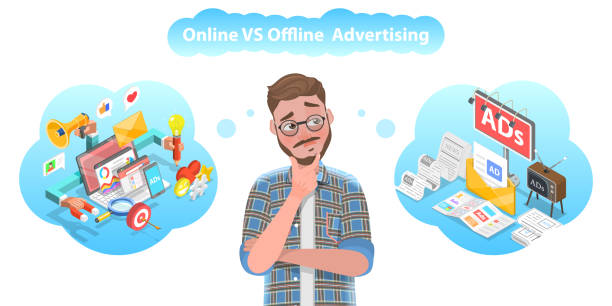
8. Concentrate on Offline Campaigns
It is also critical to include brand recognition methods that focus on offline promotions. Offline marketing initiatives such as billboards, posters, and brochures continue to have the capacity to attract new clients and raise brand awareness.
9. Put a face to your brand.
The first step in giving your brand personality is to treat it like a person and define your narrative. The next step is to incorporate this personality into your marketing activities.
When you sell your products and services with personality, it is impossible not to increase brand recognition since your brand will show through. Sure, your customers will notice the jeans or spaghetti you’re selling, but they’ll also get a sense of your personality through your advertising.
When combining traditional marketing initiatives with brand awareness campaigns, is an excellent technique. They don’t necessarily have to be the same thing, but they might be.
10. Maximize your organic social media presence
We’ll discuss sponsored social media later, but organic social media is an important halt on the brand awareness train.
Are you producing material that a follower would recommend to a friend? Or even labeling them?
In the former, it all boils down to producing high-quality material that elicits an emotional reaction and provides enough value to a follower’s life that they would want to discuss it with a friend.
For the latter, a social media contest is an excellent method to persuade your fans to tag their own network, many of whom may have never heard of you before.
There isn’t just one method to run a social media contest––there are many––but the one thing they all have in common is that they urge your followers to tag, share, or re-post your content in return for a chance to win a reward, and in doing so, they increase your reach and brand exposure.
Building Brand Awareness Requires Consistency.
Brand awareness is a broad notion, yet it may have a significant influence on your marketing initiatives and client retention. You can establish strong brand recognition with persistent efforts and commitments.
Building strong brand awareness takes time, but by using the brand awareness tactics described above, you may create a devoted consumer base that knows your brand amid rivals. While it may take time and effort, your consumers will prefer your products/services over rivals and suggest your brand to friends and family once the efforts begin.
What Is the Best Way to Measure Brand Awareness?
With all of these options, you may be asking how to assess brand awareness. This will be determined by your brand recognition goals.
If you want to raise brand recognition with native advertising, for example, you’ll monitor metrics like impressions, click-through rates, and website traffic.
If you want to increase brand exposure on social media, you’ll need to track the metrics provided by each social site.
Most essential, you’ll want to analyze your efforts on a regular basis so you can optimize based on people’s interests and behaviors and successfully raise brand recognition among your target demographic.

FAQs on Brand Awareness Strategy
1. What exactly is the distinction between product awareness and brand recognition?
Brand recall, also known as unassisted brand awareness, is the degree to which a customer recognizes a brand without being reminded. Brand recognition, also known as assisted brand awareness, refers to the degree to which a customer recognizes a brand when asked.
2. How can I raise brand awareness?
Here are a few techniques for increasing brand awareness:
- Utilize influencer marketing.
- Increase social interaction by sharing stuff online.
- Make a strong online presence.
- Create excellent branding by imbuing your business with a personality and a voice that your target audience will recognize.
3. What exactly is brand sentiment?
The emotional context in which your brand is addressed is referred to as brand sentiment. This emotion can reflect either good, negative, or neutral feelings.
Final Thoughts
Many brand marketers, understandably, struggle to properly and accurately monitor their brand indicators. However, you do not have to be one of them!
Keep in mind that measuring brand recognition at all levels is critical — not just at the wider population level, but also at the level of your target audience. Don’t forget to assess your rivals’ brand awareness!
Of course, simply measuring your brand’s awareness will not result in it growing. It will, however, assist you in determining which path to choose. For example, if your brand awareness is 6% and your primary competitors are 12%, you now have a baseline and a target to strive for.
A short tip: consider the target group you want to follow as well as the rivals you want to keep an eye on. If you frequently update your brand monitoring arrangement, you will lose out on valuable data changes.
Finally, don’t rely on fast fixes to boost brand recognition, and especially don’t take risks that might backfire. Take your time and plan ahead of time, and you’ll be able to enhance brand recognition with the proper individuals.


